
Computer History
Collection
How did computing become what it is?
Explore collection
Questions, grouped and searchable
Start with a collection when you want a guided path. Search everything when you know what you are looking for.
Eight ways to explore related work.
How did computing become what it is?

How does Zimbabwe work, and why does it keep producing these outcomes?
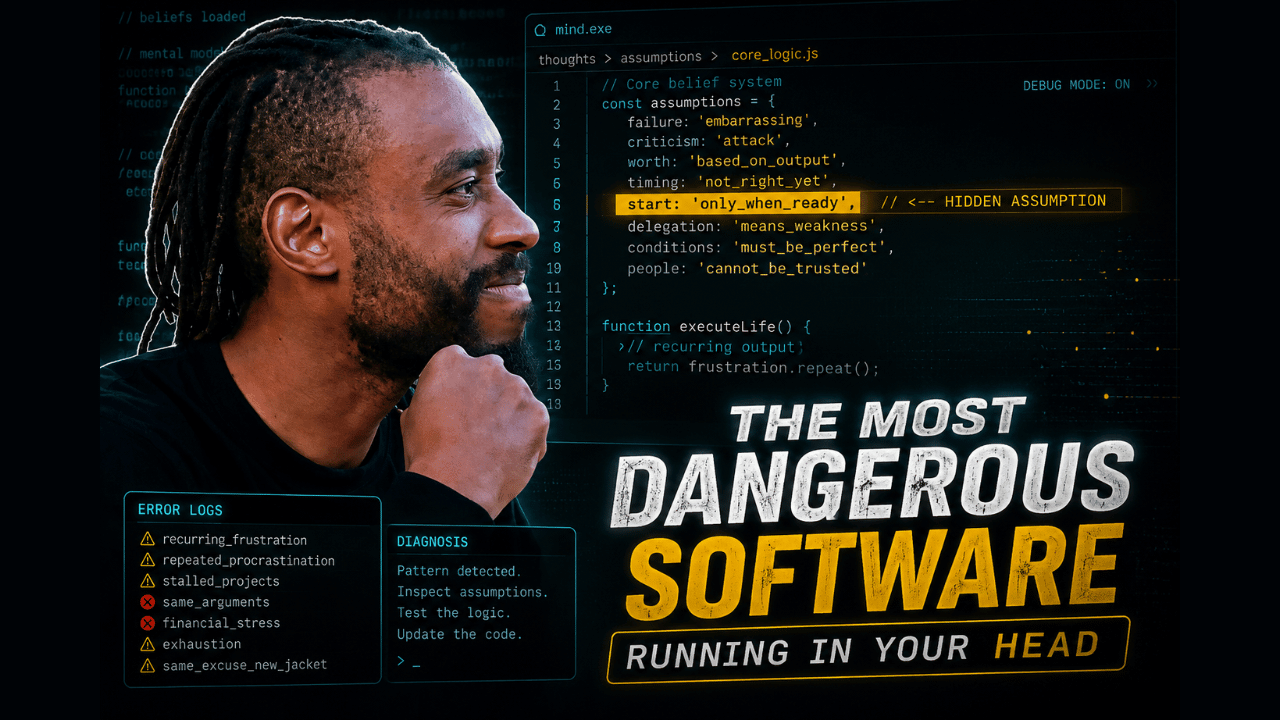
Why do technical problems so often turn out to involve fatigue, fear, communication or faulty assumptions?

What can old tools still teach us about computing and ourselves?

How can a vague career question become a route someone can actually follow?

What happens when the question is personal and refuses to fit anywhere else?

What does running reveal about discipline, load, recovery and starting again?
How do you recover an abandoned community without preserving every weakness that helped it decay?
Filter by collection, publication or format. More topics stay tucked away until you need them.
Showing 1–12 of 23 results
A computational forensics investigation into Ada Lovelace’s Note G, the published operational sequence, Operation 4, Line 24, the B36 wall, and what happens when symbolic elegance meets actual execution.
An article on Zimbabwe’s political job creation, AI-proof public office, expanding political structures, and why the country rewards access more reliably than productive competence.
When Zimbabwe Cricket Forums disappeared, I tried to bring it back.

An article on Zimbabwe’s exam-driven education culture, credentialism, and why passing tests is not the same as producing learning, competence or national capability.

An article on Zimbabwe's punctuality problem, why lateness is subsidised by the people who respect time, and how broken infrastructure, weak accountability and social power turn wasted time into a national cost.

An article on Zimbabwe's talent absorption problem, credentialism, diaspora skill loss and why the country struggles to turn deep technical capability into national value.
A practical reflection tool for finding hidden assumptions, testing mental models against reality, and turning recurring friction into useful feedback.
The most dangerous software you will ever run is not on your laptop. It is the collection of assumptions, mental models and stories quietly governing your decisions before you ever notice they are there.
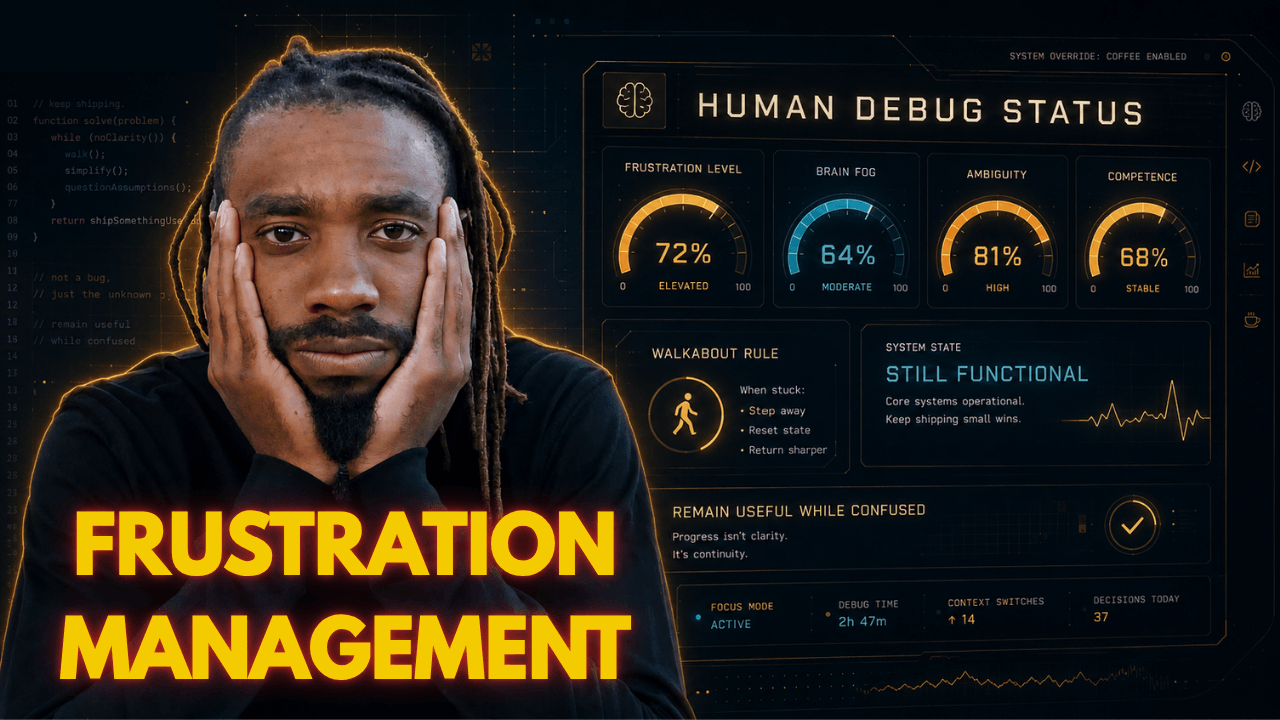
Why the developers who last are often the ones who can stay useful while confused, frustrated, bored and uncertain.

A personal reflection on why competence often begins with public embarrassment, social resistance, repetition, and the willingness to look like the village idiot before skill finally arrives.

Why software developers need to maintain more than their code.

AI has exposed the weakness in Zimbabwe’s credential-heavy education model. The future value of degrees lies less in memorised content and more in verified capability, applied problem-solving and digital participation.